

There is an increasing trend of women travelling—whether solo, in women-only groups, or as part of work. Every time I see women choosing to step out, explore, and claim space in the world, it fills me with quiet joy. Travel is not only about visiting new places; it is about discovering courage, independence, and parts of ourselves that often remain hidden in familiar surroundings.
And yet, for many women, travel remains a dream that has to wait. The wish may be strong, but the practical realities are stronger—flight tickets, accommodation, visas, insurance, daily expenses, and the hesitation of spending so much only on oneself. Travel expenses can become a real showstopper, quietly pushing plans into the future. I understand that feeling. Sometimes, the desire to see the world is present long before the means to do so.
Many years ago, without fully realising it at the time, I found my own way to travel, live, and experience different countries through science. As a PhD student abroad in Germany, I did not simply visit another country; I slowly learnt how to belong in an unfamiliar place. I studied there, lived there, made friendships, understood a different culture, and discovered what it meant to navigate life independently. Looking back, that experience gave me more than academic training. It gave me confidence, resilience, and a wider sense of who I could become.
Later, during my postdoctoral research in Scotland, and through conferences and short work visits in countries such as Poland and Belgium, I began to see a pattern in my own life. Science had become a bridge. It gave me a reason to cross borders, sit in rooms with people from different parts of the world, present my ideas, listen to others, and learn not only from books and laboratories, but from cultures, conversations, and lived experiences.
Meeting scientists, students, and colleagues from different countries also awakened another kind of curiosity in me. I began to wonder about the histories that shaped their societies, the cultural expectations they carried, and the opportunities available to women in science in different parts of the world. I became more aware that every country has its own story—of progress, struggle, visibility, and invisible barriers. Listening to women from other cultures made me reflect on how access to education, research funding, mentorship, family expectations, and professional recognition can differ so widely, yet the desire to learn and contribute remains universal.
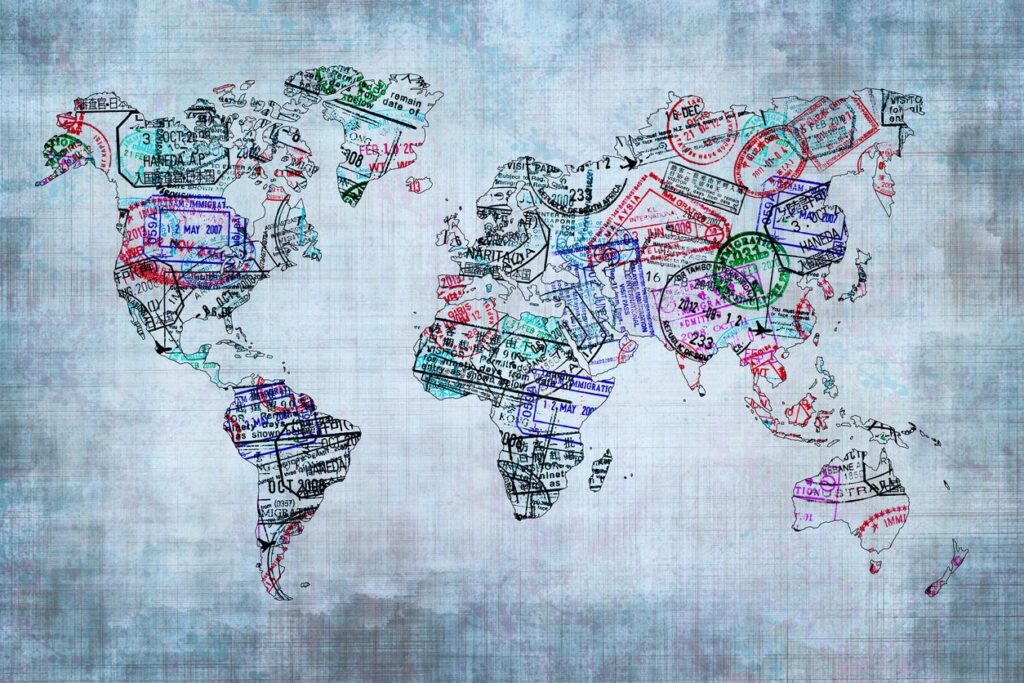
That is why, for women who love to travel, I would strongly recommend considering science as one possible route to a wider world. Fully paid PhD programs, postdoctoral fellowships, academic collaborations, research visits, and conferences often come with funding support. In many cases, these opportunities are fully funded or paid. For someone with curiosity, ambition, and a willingness to work hard, science can make travel possible without placing the entire financial burden on the individual.
This kind of travel is different from a holiday, this can be defined under business + leisure category and weekends or evenings can be used to explore the places or for short trips, but it can be deeply rewarding. You travel with purpose. You travel to learn, contribute, collaborate, and represent your work. You return not only with photographs and memories, but also with confidence, skills, friendships, networks, and a broader understanding of the world. Sometimes, you also return with a quieter transformation—you bring back some fewer souvenirs but a stronger network to reach out to for future collaborations, the knowledge that you acquire you can carry with you, anywhere.
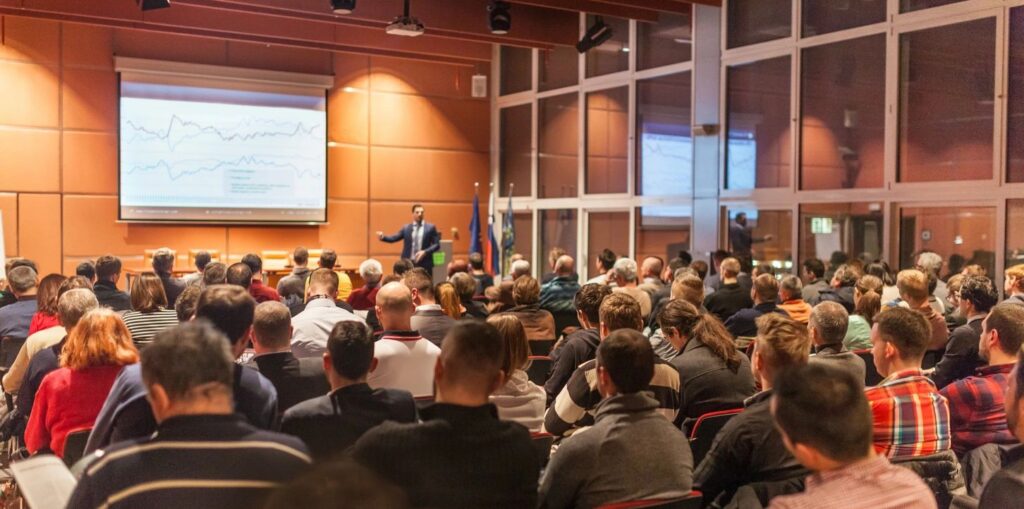
My message to young women is simple: if you love travel and are curious about the world, do not see science as a path that confines you to a laboratory, library, or desk. Science can become your passport. It can take you to new countries, new conversations, new opportunities, and new versions of yourself. For me, science opened doors to the world at a time when I may not have known how else to open them. It gave me wings in a way I did not expect—and I hope more and more new generation women discover that possibility for themselves.
Few Well known Funding and networking pathways to explore
- DAAD Scholarships and Research Grants: Support for international graduates, doctoral students, and postdoctoral researchers to study or conduct research in Germany.
- Marie Skłodowska-Curie Actions Postdoctoral Fellowships: European Union funding for researchers with a PhD who want to work abroad, gain new skills, and build international research careers.
- EURAXESS Jobs and Funding: A European platform listing research jobs, fellowships, hosting opportunities, and national or regional funding schemes across Europe and beyond.
- British Council Women in STEM Scholarships: Full scholarships for women from eligible countries to pursue STEM master’s programmes in the UK, often covering tuition, living costs, travel, visa, and health-related expenses.
- EMBO Fellowships, Scientific Exchange Grants, and Travel Grants: Funding routes for life scientists, including postdoctoral fellowships, short research visits, conference participation, registration fee waivers, and travel support.
- L’Oréal-UNESCO For Women in Science Programme: A globally recognised programme supporting women researchers at doctoral and postdoctoral levels through international, national, and regional fellowships, grants, mentoring, and visibility.
- Google Generation Scholarships and Women in Tech initiatives: Funding and support programmes for students from underrepresented groups, including women pursuing computer science, technology, and related fields in selected regions.
- Adobe Research Women-in-Technology Scholarship: A well-known industry scholarship supporting women students in technology-related disciplines, often combining financial support with mentoring or professional exposure.
- Schlumberger Foundation Faculty for the Future Fellowship: A long-running fellowship supporting women from developing and emerging economies to pursue advanced graduate study in STEM disciplines abroad and return to contribute to their home regions.
- Zonta International Amelia Earhart Fellowship: A prestigious fellowship for women pursuing doctoral-level research in aerospace engineering and space sciences, supporting international academic and research mobility.
- European Platform of Women Scientists (EPWS): A European network and advocacy platform representing women scientists and women-in-science organisations. While EPWS is not primarily a direct scholarship provider, it can be useful for discovering women-in-science news, networking opportunities, policy updates, calls, awards, and funding-related resources across Europe and beyond.
Global PhD routes linked to pharmaceutical companies: Women interested in biomedical science, chemistry, pharmacy, biotechnology, drug discovery, regulatory science, or translational research can also look for collaborative PhD studentships supported by pharmaceutical companies and universities. Examples include AstraZeneca co-funded PhD collaborations with academic institutions, GSK–University of Strathclyde collaborative PhD studentships in biopharmaceuticals and medicinal chemistry, and early-career research opportunities listed by global pharmaceutical companies such as GSK and Roche. These programmes can offer a valuable blend of academic training, industry exposure, mentorship, access to advanced research facilities, and international mobility. Since availability varies by year, country, and university partnership, it is useful to search company career pages, university doctoral-training pages, and platforms such as EURAXESS and FindAPhD for current industry-sponsored or company-collaborative PhD openings.
Disclaimer: Scholarship, fellowship, studentship, and travel-grant opportunities can change from year to year. Eligibility criteria, participating countries, funding amounts, covered expenses, application timelines, deadlines, and programme availability may vary depending on the sponsoring organisation, university, country, and funding cycle. Anyone interested in applying should always verify the latest details directly from the official programme, university, or company website before making plans or applying.